Showing posts with label handmade. Show all posts

8 March 2019

Women and the mental load of waste-free living (+ a soap recipe)


There's an elephant in the room, when it comes to waste-free living. In the majority of households attempting to reduce their waste, it is still largely the work of women. Women often have the desire to make change in practical ways, and carry the burden of researching and strategising ways to implement waste-free shifts in their households. Women and children worldwide are also most likely to suffer the impacts of environmental issues and poor waste-management. It's been well documented that women are at the forefront of the actual day-to-day work of environmental change. Anecdotally, Oberon and I have seen it in the Facebook group we run (Zero Waste Tasmania), where more than 80% of members are women. And across social media, the majority of accounts devoted to the practical business of zero waste living are women. Women are the ones buying our book, although hopefully the men in their lives are reading it and trying things, too, and we've addressed this in the book. Waste-free living doesn't have to be burdensome. In fact, it can be joyful and enriching as you find a closer connection and care for nature. It's even fun! But in our home, it's fun, and not burdensome, because it's shared.

Women carry the mental and physical load of waste-free living, and we need to see that shifted. It has to shift for more of us to be able to make space to take more waste-free living practices on. It was the manufacturing of plastic packaged products and 'convenience' foods that simultaneously gave women freedom from their homes and created the huge environmental problem we face today. Meanwhile, men have, for the most part, carried on as usual, embracing 'convenience' products and being left somewhat off the hook. This has to change, for all our sakes, but especially for our children who will discover the full effect of choosing 'convenience' over responsibility.

But for today, on International Women's Day, I'm going to leave the mental load of pushing for that shift to the men-folk (thanks, Huz), and recognise and celebrate the women who have done so much practical work to care for their families, their homes and our planet. I'm often drawn to think, on such days, of the people who lived on the patch of land where I live, before me. First the muwinina women who cared for it so very well that only a midden and stone fish traps by the foreshore remain as evidence that they'd impacted this land. And then the farmer's wife, who possibly seldom made it to our patch of the orchard while she tended her home and garden. Or the housewife who lived here before us, who saw fit to install lots of small cupboards for their preserves, which inspired me to think about filling them with preserves of our own.

While we were in the process of compiling recipes for our book, I visited my Mum's place and she pulled out a couple of notebooks she'd had stored away. Simple notebooks featuring beautiful handwriting, on plain, lined paper, yellowed now from age. The pages were filled with recipes and notes, taken by my two grandmothers, who began them as young, newly married housewives. They began writing them towards the end, and immediately after WW2, and both notebooks reflect how they were striving to stretch their resources further when they were required to keep their homes running, and families fed, on very little. It was a time when food was rationed, Victory gardens were encouraged, and wasting food was illegal or very much frowned upon. And women bore the brunt of that work.


As I turned the pages of hints & tips, so often shared by friends or in newspaper articles, government publications and magazines in a time before Google, I found many that looked like the handy hints we've come to know and love, in our waste-free living travels. But one of my favourites as I flicked through, was my maternal grandmother's method of using up all the old soap ends to make new soap. I snapped a photo so I could bring it home to try. I never met Doris, my mum's Mum. So having a little routine of hers in our own family rhythm seemed like a wonderful idea. So we saved up the soap ends, and gave it a try.


I had to do a little tweaking and estimating to quantify things like how many soap ends a family might make in 3 months, or how big a small cup or her pie dish might be. But we got there in the end. I was delighted to share the making of it with Little Owlet, and I'm happy to say it worked well. And so we have olive oil scrap soap in our home, stretching our resources further, and creating a beautiful product from old, as my grandmother did. Here we've shared the recipe, as you can find it in our book. It's one that's dear to our hearts. 

MAKE THIS :: Olive Oil Scrap Soap

What you'll need:
1 cup soap ends
1/2 cup olive oil, plus extra for oiling 
soap mould - a small glass baking dish works nicely
1 cup water

STEP 1
Grate the soap ends and place them in a
saucepan with water. Make sure the water just covers the soap. 
STEP 2
Place over a medium heat and stir well until
the soap fragments have dissolved.
STEP 3
Remove from the stove and add olive oil,
stirring well.
STEP 4
Beat well with a whisk and, while the
mixture is still warm, pour it into an oiled
dish or mould.
STEP 5
When the soap block is completely cold,
turn it out onto a board and cut it into
squares.
STEP 6
Leave your new soap bars to harden for
a few days before using. 

........ 

Our book 'A Family Guide to Waste-Free Living' is available in all good bookshops (including ours!), and libraries now. Published by Plum Books and featuring photographs by Natalie Mendham, who also took the first picture in this blog post. 

~ Lauren. xx

4 April 2018

Waste-free pillows (and sweeter dreams)


We'd been putting off the inevitable decision, and cost, around choosing a new pillow for quite some time. Huz and I bought curved foam pillows more than 12 years ago, and despite cleaning the cover and protector regularly, I'm sure that there were cities of dust mites living in them. Yuck. Probably not great for my dust-mite allergy, and possibly the reason I'd had recurrent sinus infections. And our pillows were starting to disintegrate, with tiny bits of foam flaking off. Gross. Apparently, you're supposed to change pillows every three years, or every six months if you have allergies, so we were well overdue! We started to look at what would be the best waste-free option for us.

Firstly, we wanted to find something home compostable, so we could avoid landfill. That discounted latex foam from our search. Organic cotton, bamboo, wool, and feather were all compostable options we considered. But, of course, there were ethical and environmental considerations to take into account with each option. Distance the materials would travel to reach us, water used in creating the fibre or filling, treatment of animals in animal-based fillings, treatment of fibres and chemicals used in production... And cost. These factors are going to be different for each person, depending on where you live, what you have access to, health considerations, and what you can afford, so one of these may already be right for you. But what was best for us?

Where we live, in Tasmania, we're always happy to try local options to avoid products travelling by air and sea. So, after a hunt around, we were happy to find Tasmanian grown buckwheat hulls. These are a by-product of buckwheat farming. They're also grown by a supplier of our favourite organic grocer, so we asked her to order us a sack with her next delivery, keeping carbon miles relatively low. And as they're not generally a highly sought-after product, the cost was pretty low too (ours was about $10 per pillow). Buckwheat hulls are often used to make yoga bolsters and cushions. They've been used for sleep support in Japan for over 600 years, and you can actually buy ready-made buckwheat pillows in a few places online, so we didn't feel like we were planning something completely eccentric!


We had the sack of hulls sitting in a corner of our lounge room for almost a year while we wrote our book, so it's taken a little while to get to making the actual pillows, but making them was super easy. I wish we'd done it sooner! Here's how we did it:

We already had zip-up pillow protectors, so we re-used those and filled them with a comfortable amount of hulls. I should add here that pillows are actually not a requirement for living and it may even be better for our bodies to sleep without them, but while we get our heads (and necks) around the concept of pillow-free living, we've started with about half a grain sack each of hulls. We will consider reducing the amount of hulls until we're sleeping comfortably without a pillow. Next we zipped up the pillow protectors and added a pillowcase. And that's it. So easy!

To clean the pillow, unzip the pillow protector and pour out the hulls. Then give the protector a wash, and if you can find somewhere to spread out the hulls and give them a little sunlight (perhaps a clean bedsheet or flyscreen away from breezes), that should help to keep the hulls fresh.

So, what are buckwheat hull pillows like to sleep on? Well, they're a little noisier than your average pillow! It's a bit like sleeping on a beanbag, or even a wheat bag/heat pack. They do take a little rearranging, and they're a bit firmer than we've been used to. But they're also super comfortable. The hulls are quite light and soft, hold their shape well, and when you get the right position, it's wonderful. They provide good neck support, and are low-allergy, chemical free, and unscented. The airflow through the hulls keeps them dry and, because they're non-nutritive, and the hulls have regular movement, they're not attractive to pests. I found the knot at the back of my neck disappeared overnight, and my allergies and sinus infection seemed to clear up right away. We did find initially that we tended to move more during the night, and even wriggle down the bed a little, but we actually felt better for that, and persisted. It took Huz a couple of nights to get used to the buckwheat hulls, but now he sleeps comfortably every night.


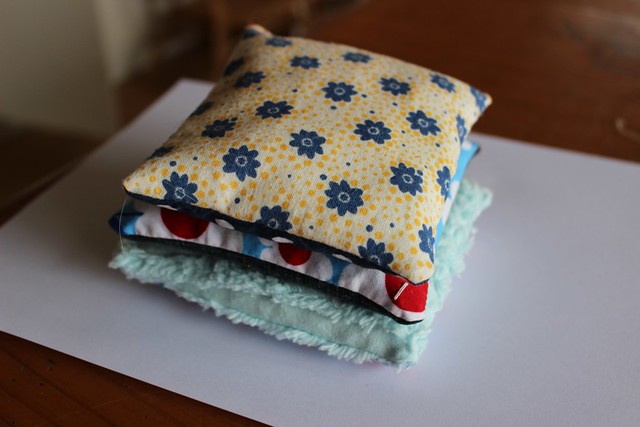
My favourite thing to try is turning buckwheat hull pillows into enormous dream pillows. Herbs that promote deep sleep and relaxation (such as lavender, rose petals and hops) are fab. The dried herbs can be added in a handmade sachet, or scattered through the buckwheat hulls, for a beautiful sleep.

When it's time for us to replace our buckwheat hulls (in about 10 years), we'll take them out to the garden and compost them and source some new hulls... Great for our garden, good for our bodies, and gentle on the planet.

~ Lauren. xx

16 January 2013

A skirt for Tiny

IMG_2851
IMG_2852
IMG_2856

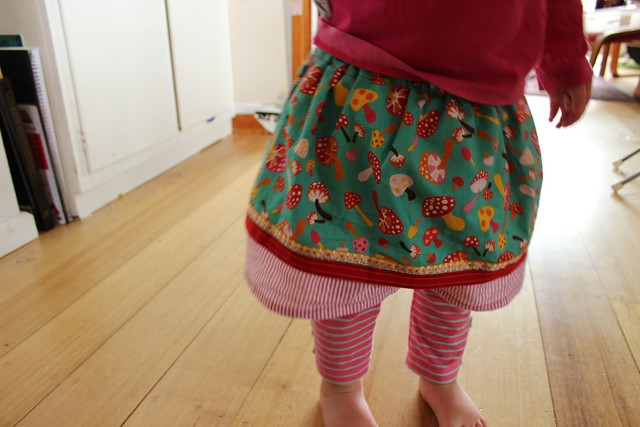
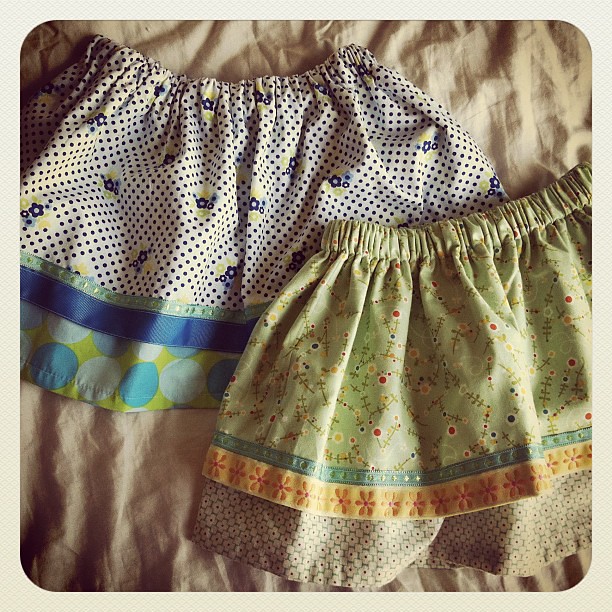
There will be more things made for the owlets this year - there will! I made this quick garden skirt for Tiny for a Christmas gift and alongside her Peppa Pig t-shirt, it's her favourite wardrobe item of choice. It's been about four years since I made the first Garden skirt for Little Owlet. Since then I've made lots and lots for friends, family and peeps all over the world! How amazing is that? And how wonderful is this online bloggy world we live in that allows me to do that?! My favourite thing though, is to sit at the machine and make something for one of my owlets and then watch them admire it when I hand it to them to wear or play with... There's nothing quite like it. And I hope to have lots of that going on this year. How about you? xx

26 December 2012

Our Handmade Christmas

IMG_2695
IMG_2697
IMG_2710

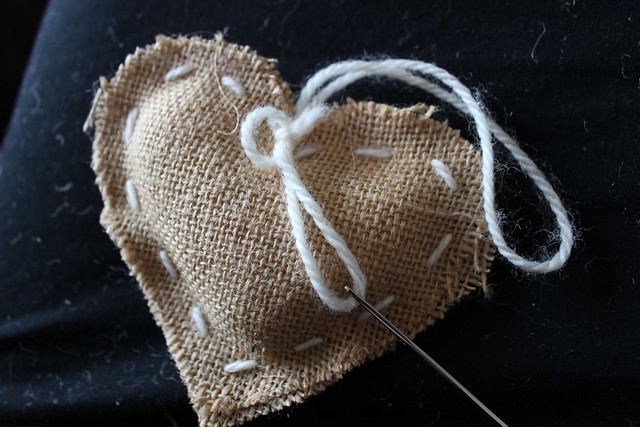
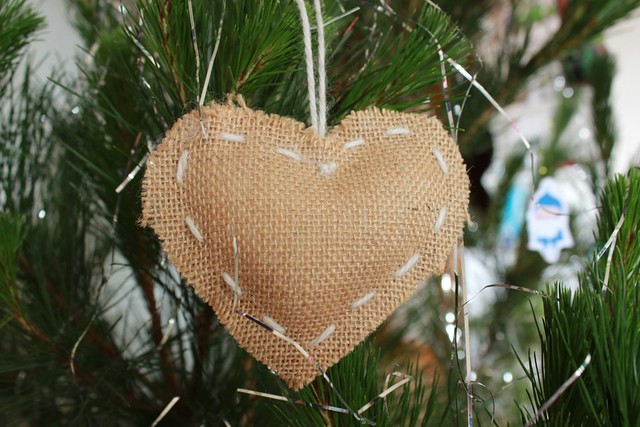
Just when I thought there was no time for handmade this year... We managed hessian hearts for the tree...

IMG_2774
IMG_2777

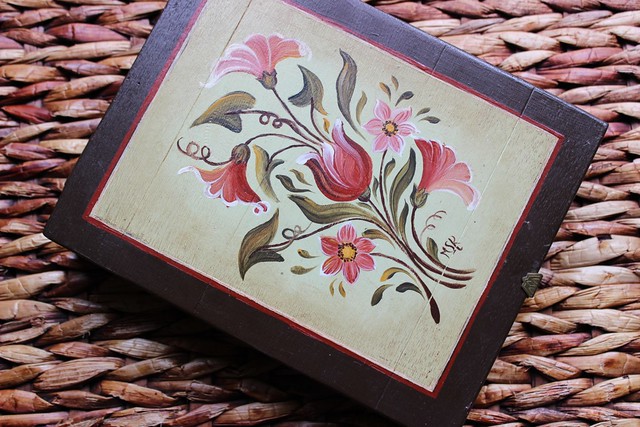
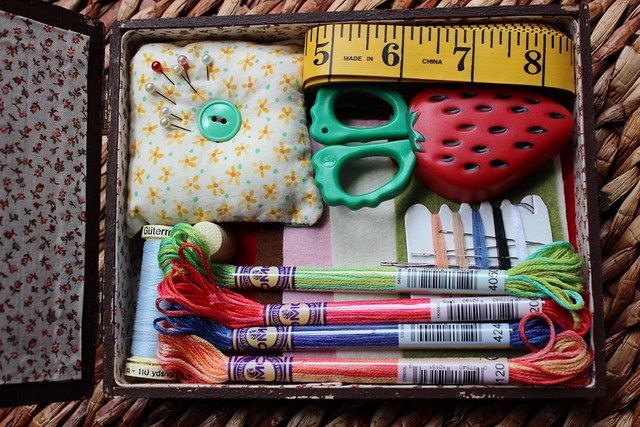
A thrifted box found by a dear friend became a last minute sewing box gift for Little Owlet...

IMG_2770

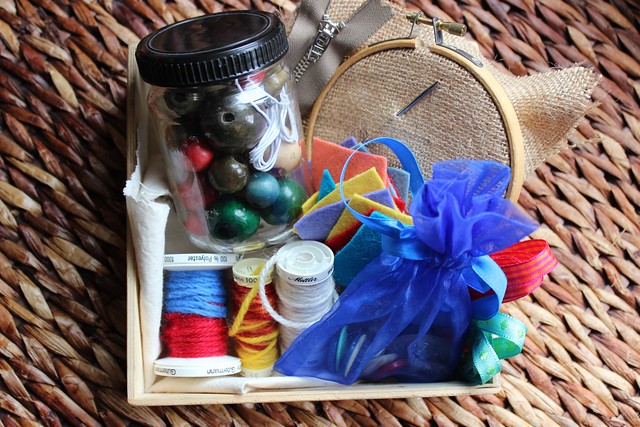
And a tidy up of my crafting stash yielded a toddler sewing basket for Tiny Owlet.

IMG_2723
IMG_2784

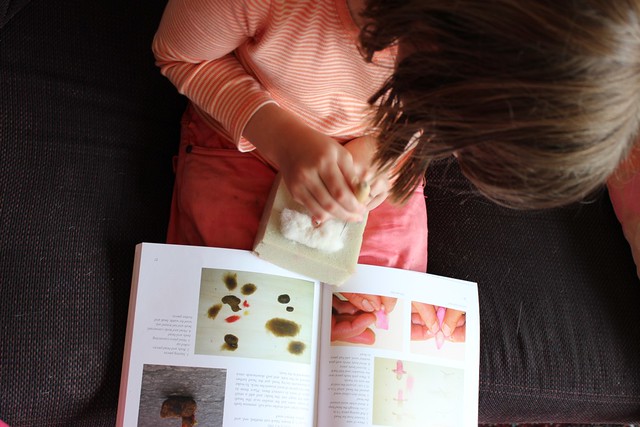
Big Owlet tried her hand at felting for her sisters...

IMG_2778

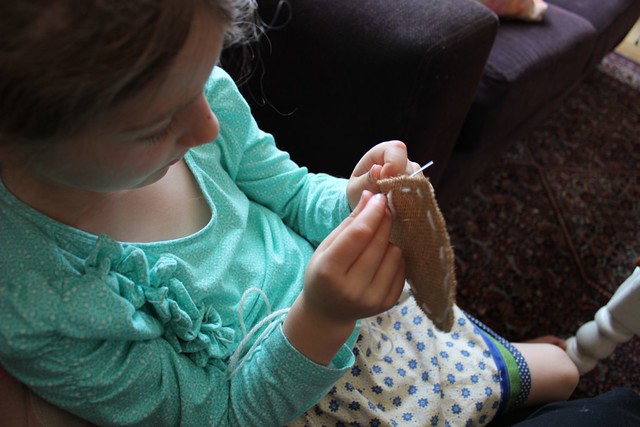
Little Owlet sewed for Tiny and decorated a picture frame for Huz and some hair clips for Big Owlet.

IMG_2780

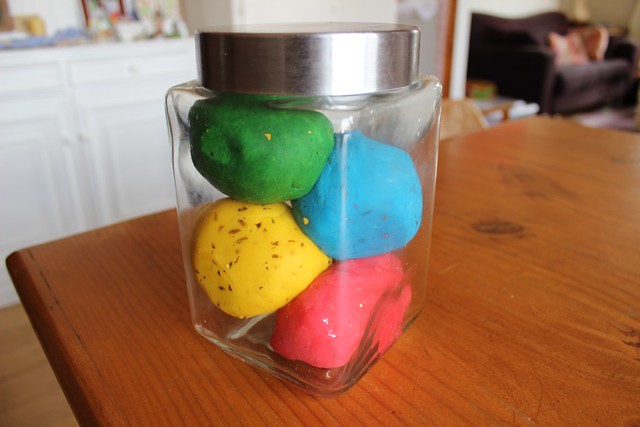
A jar of bright, glittery playdough appeared...

IMG_2781

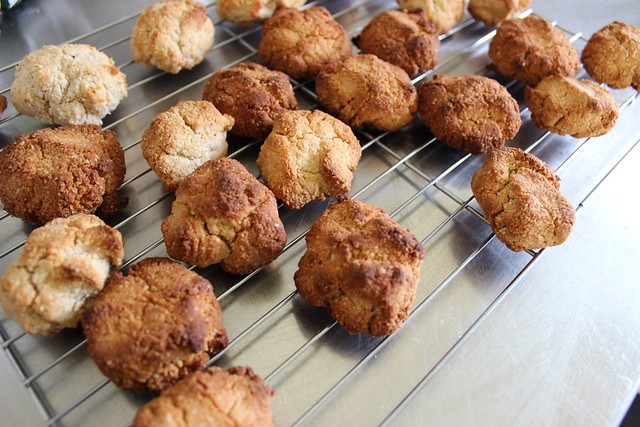
While we waited for the biscuits to bake. And somehow the joy of giving meant more this year than ever.

Did you have time for handmade this year? xx

3 April 2012

Owly things :: part one

Untitled

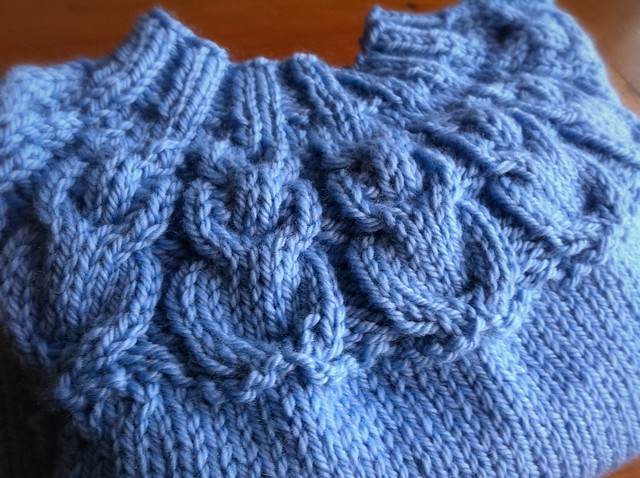
"Oh! I've got something for Tiny!" Said my friend, Katy as she pulled this beautiful jumper out of her bag... "It has owls, so I thought of you..." I can't tell you how many times I've looked at that owl cable pattern and sighed, thinking my knitting skills are nowhere up to that yet... So thank goodness for gorgeous people like Katy, who find it "easy" ;) We've been so blessed to have people think of us when they see owls. I'll have a little wander through and show you some of our owly things over the next week or so... Did you know this Friday is my 5yr bloggy birthday? Yep, five years of Owlet. It also marks 5yrs since we were the proud owners of our nest... Doesn't time fly?

Are you blessed with people who knit lovely things for you? Do you have a *thing* that people see and think of you?

8 December 2011

my creative space

Tiny toadstools

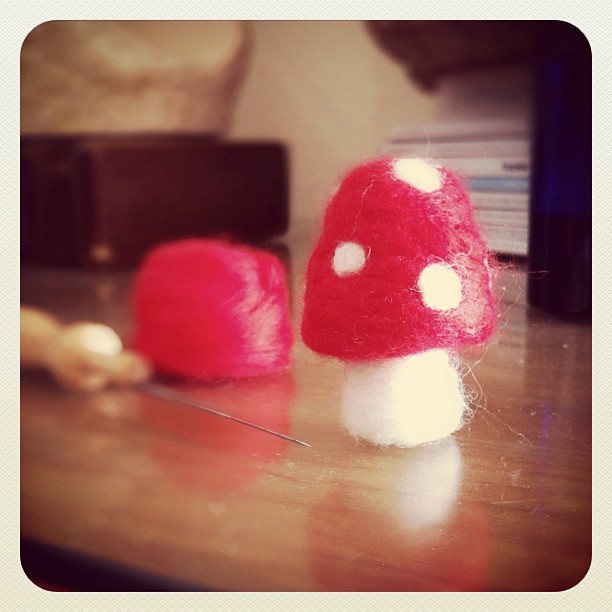
I'm making some tiny toadstools for our tiny tree. Big Owlet is joining in and needle felting a star or two. I think it's going to look rather lovely and festive. And gosh I'm enjoying making things again! I've whipped up a couple of custom orders before I get stuck into gifts for family and friends. Lots to do! Happy days!

Skirts

more spaces here.

10 November 2011

my creative space :: softie

096F5412-E7DF-4028-B750-5AF80B3CE45F

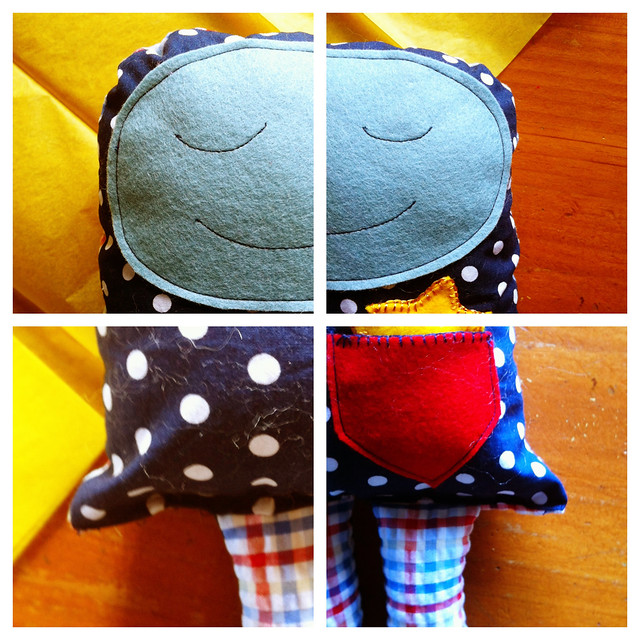
A little bedtime buddy for a little buddy of ours... And one for Mirabel too.
An oh-so-simple design, just the right size to cuddle.
With a sleepy smile and star in the pocket, made for wishing...

The owlets have requested one each too, with modifications, of course... Sweet dreams. xx

more spaces here


25 October 2011

boomerang

Photo

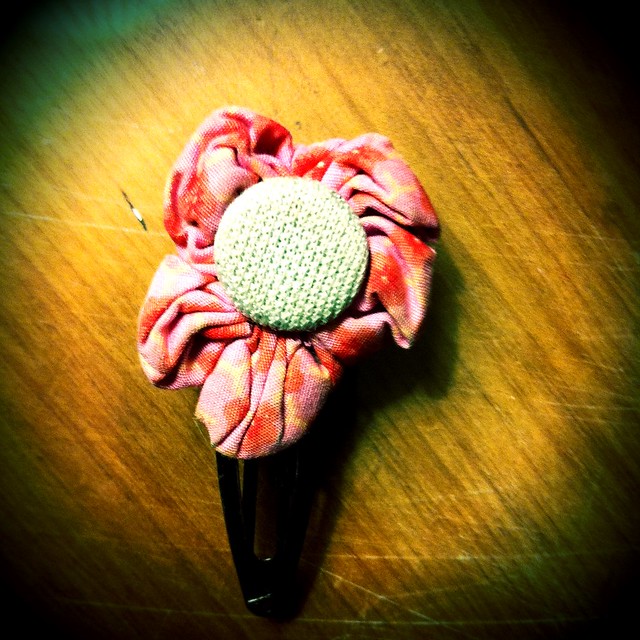
I was sitting at a cafe table along a walkway to a local children's craft market one Saturday morning when someone wandered past and said "Is this yours?" They were holding up a hairclip and knowing that the owlets were not wearing clips that day, I answered no... but then, YES! I made that clip! That well worn, washed and scrunched hairclip. I made that and someone's owlet wore it lots. There was the evidence in my hand... It's a lovely thing, making things by hand and seeing them wander past you from time to time, as happens on occasion in this small town. If I had some more time, I might like to do more of it. Making stuff. One day.

Have you ever had anything you've made float back into your life in a surprising way?

Is this your owlet's hairclip? If it is, I'd be happy to return it... and make them a fresh one :) xx