Showing posts with label Tasmania. Show all posts

12 July 2019

How To Start a Community Food Co-op


Plastic Free July is rolling along along, and we've been chatting with people about their experiences with it, and waste-free living in general. As always, there are a few issues that come to light, and we'll be sharing our tips for a couple of the big ones shortly (budget, time...). But for a great many people, the main issue in reducing household waste is easy access to package-free foods. In the greater Hobart area, we have a high number of bulk food options, ranging from small supermarkets to dedicated wholefoods stores where everything is available package-free. Although where we live we're technically in a food desert, we're very fortunate to be a short bus ride away from some amazing resources, and have access to homegrown foods through the community garden and local sharing network. But what do you do if you live even further away from shops and food outlets? You need to find creative ways to bring food closer to your community.

We were fortunate to visit the Bruny Island Food Co-op at the beginning of winter. We were invited to talk to their members about waste-free living and have a look around, and what we saw was more than a little inspiring. Bruny Island (lunawanna-allonah) sits on the south-eastern coast of Tasmania, with a population of 600 residents and tens of thousands of visitors each year. It only has a couple of small shops for basic groceries, and seasonal food producers and cafes that appeal mostly to the tourist demographic. It's accessible via ferry from mainland Tasmania and most residents need to shop for fresh food off the island.


Our friend, Liz, noticed a shortage of access to good food in the Bruny Island community and helped establish a food co-op there. The co-op is run in the community hall each month and you can buy most of the basics and some special luxuries there, without packaging! They're able to keep costs fairly low, helping more people in the community access package-free food. Alongside the co-op, they run skill shares and workshops and a space for members to swap and share food, with future plans and ideas for strengthening this inspiring community hub. We asked Liz about her experience with establishing a community food co-op and she has very generously shared her thoughts with us below. If you're living somewhat remotely, perhaps there's some inspiration here to help you build a co-op of your own. 

How did the idea to start a food co-op come about?

After doing the Spiral Garden Seedlings Permaculture eCourse, I really started to think about the waste we were producing in the kitchen. I'd always thought of ourselves as buying little processed/packaged food, but when I checked our bins I was surprised at how many of the plastic bags could be avoided if we bought in bulk. So I joined a food co-op off the island which was not too far away, and started buying lots of food from a bulk wholefoods store also off the island. When talking with a couple of friends in a cafe on Bruny Island one day, we were envisaging how great a food co-op could be on Bruny Island. What we didn't realise is that a local couple on the next table were listening to us dreaming and before they left the cafe, they came over to wish us luck and offered us a very generous donation to get started!

Was it easy to find support in the community?

Yes, we put a post on the community Facebook page asking for expressions of interest and got a handful of people who were interested to come along to our first meeting, where we just brainstormed ideas and what people wanted. We then set up a Facebook page asking people what they wanted to order and put an ad for the first meeting in the community news. As we didn't have any money we couldn't buy products up front to sell, so we had to take orders and try and make sure that a bulk product was already sold out before we even bought it. The most difficult part of it all was finding a location to hold meetings. While this could have been at someone's house, we had a vision of what we wanted to achieve and it was more like a shop and none of us had the space for that at home.

How many members are involved?

We have about 70 names on our email list, over 150 members on our Facebook page, and about 50 paid members. We have been open about 3 years and over that time the numbers have been steadily growing. The tricky thing is trying to find an opening time that suits as many people as possible, so while we have the numbers who support us, not everyone turns up to every meeting. When we first started there were 3 of us running it, but over time that has reduced to 2 with a couple of people who are often free to help us as needed. We are now at the stage were we need to think about asking volunteers for their help in a more formal way. We are thinking of having "active members" who volunteer their time for reduced prices. However we need to think carefully before implementing anything as we have been advised that managing volunteers is often more time consuming that just doing it ourselves!!!

How often do you meet in the community hall?

We meet once a month - the last Tuesday of every month from 2 - 5pm. At the beginning of the year we were open from 3 - 5pm, but this was just too busy - being open 1 more hour just eases the pressure when lots of people arrive at the same time! We are happy to open more often if we think we will be supported, and this is something we are working on at the moment.


Does the co-op have a formalised structure? Memberships?

When we first started we needed to have a bank account and the only way we could do that was to become a Not for Profit incorporated business. So that's what we did. I guess we are really running it a bit like a small business. Membership is $20 per year, per household and for that members get products at good prices, non-members pay 20% more. Members are also able to bring their excess fruit and veg or jams, pickles, bread, cakes etc etc to swap or sell. We also hold workshops and members pay $5, non-members $10. The money for the workshops goes to the speakers (80%). This is to encourage members of the community to come forward to run a workshop, We think of the workshops as more of a skill share kind of thing - I don't like the idea of "teaching" each other, more sharing what we know. We really want to encourage community involvement and think of co-op as a community hub as opposed to just being a place to buy food. Nicola Hubbard and I work together behind the scenes to organise the workshops, products etc and for that we are now able to get paid a nominal fee - it is a lot less than the work we do, but it's a start!


Did it require much financial investment to get off the ground?

We had nothing but the $400 donation, which we used to buy our first products. Over the 3 years we have made enough to gradually buy buckets, scoops, a very expensive set of scales, a POS system, a computer and insurance. 

How much time does running to co-op take each week?

Now that we are organised and in a routine, it doesn't really take much. At the end of each meeting we have a rough idea of what we need more of for the next meeting, so it's a matter of putting in an order, updating the POS and product list and going to pick it up. We also sent out a monthly email with our workshop details for the following month and our latest product list. We put an ad in the local rag and that's about all. The most time-consuming part is the banking - we are happy for people to pay via a bank transfer as we don't have a card payment system yet, so we have to go through the sales and check them off as the money gets deposited then message anyone who has forgotten - this is a bit time consuming. We estimate that we spend about 10 hours a month between the two of us, then of course there's the time that co-op is open, but we think of that as the fun part!


How have you decided on the product range?

We're always open to new product ideas. Initially we just bought what we wanted as we knew that if we were left with it, we could buy it ourselves!!!! As time went on, people have suggested products they would like. The difficult part is keeping it simple. We are not in a position to have heaps and heaps of products yet and we have to keep in mind how long things like nuts stay fresh as we're only open once a month. We did get products from a variety of suppliers but that proved time consuming - more ordering, more time picking up etc, so now we mainly buy food from one supplier with a big range and a just a couple of other places occasionally. We aim for package free bulk foods, as local as possible and if possible organic. 

How has having access to food in this way impacted on the community?

Initially most of our members were people who were already thinking about waste and organic healthy food etc etc, but over the 3 years the range of types of people who are joining is widening, as they hear about the co-op so come to take a peep.. As both of us (organisers) work at the local school, and the hall is opposite, we are able to reach a broad range of people through the school newsletter. 
There has recently been some discussion on Bruny Island as to how to move forward within the community with the number of tourists etc. and one of the ideas is for the community hall to become a bit of a hub. We are trying to set that in motion by opening co-op at the same time as the community library, and the online access centre and encouraging people to pop in for a cuppa, bring the kids and say hi - building a bit of community spirit! 


Any lessons learnt or anything you'd do differently?

It is a commitment, but it is something that we both love, so that's no problem. I think if we had thought too much about it, we might never have started it as it can be quite daunting at times, so I guess my advice at this stage would be that if you are thinking of setting up something like this, to just do it! Buying a POS system has been a huge time saver (before that we were using an excel sheet and neither of us could understand excel!) and I'm glad we started properly from the beginning with our own bank account etc, rather than using our own bank accounts, then getting in difficulty with tax etc. As I mentioned before we need to really look at the way we run the co-op now as a business - we might find that we wish we had set it up differently, I'll let you know! Also, we never borrowed money or got into any debt etc, so actually there's no pressure - if it doesn't work, we can stop!!!! But for now that's the last thing we want to do.

*****************

Are you tackling Plastic Free July this year? How are you travelling with it so far?

We'll be talking in a few places in Hobart and Melbourne throughout the next month. You can find all dates for talks and workshops updated regularly, here.

We talk about food co-ops and other solutions for making waste-free living possible, and communities stronger, in our book 'A Family Guide to Waste-free Living', published by Plum. Signed copies are available in our shop, or you can find it in all good bookshops. If you're in the Northern Hemisphere, you should have luck finding it at Book Depository, or in eBook format, available here. 

~ Lauren. x

4 April 2018

Waste-free pillows (and sweeter dreams)


We'd been putting off the inevitable decision, and cost, around choosing a new pillow for quite some time. Huz and I bought curved foam pillows more than 12 years ago, and despite cleaning the cover and protector regularly, I'm sure that there were cities of dust mites living in them. Yuck. Probably not great for my dust-mite allergy, and possibly the reason I'd had recurrent sinus infections. And our pillows were starting to disintegrate, with tiny bits of foam flaking off. Gross. Apparently, you're supposed to change pillows every three years, or every six months if you have allergies, so we were well overdue! We started to look at what would be the best waste-free option for us.
Firstly, we wanted to find something home compostable, so we could avoid landfill. That discounted latex foam from our search. Organic cotton, bamboo, wool, and feather were all compostable options we considered. But, of course, there were ethical and environmental considerations to take into account with each option. Distance the materials would travel to reach us, water used in creating the fibre or filling, treatment of animals in animal-based fillings, treatment of fibres and chemicals used in production... And cost. These factors are going to be different for each person, depending on where you live, what you have access to, health considerations, and what you can afford, so one of these may already be right for you. But what was best for us?

Where we live, in Tasmania, we're always happy to try local options to avoid products travelling by air and sea. So, after a hunt around, we were happy to find Tasmanian grown buckwheat hulls. These are a by-product of buckwheat farming. They're also grown by a supplier of our favourite organic grocer, so we asked her to order us a sack with her next delivery, keeping carbon miles relatively low. And as they're not generally a highly sought-after product, the cost was pretty low too (ours was about $10 per pillow). Buckwheat hulls are often used to make yoga bolsters and cushions. They've been used for sleep support in Japan for over 600 years, and you can actually buy ready-made buckwheat pillows in a few places online, so we didn't feel like we were planning something completely eccentric!


We had the sack of hulls sitting in a corner of our lounge room for almost a year while we wrote our book, so it's taken a little while to get to making the actual pillows, but making them was super easy. I wish we'd done it sooner! Here's how we did it:

We already had zip-up pillow protectors, so we re-used those and filled them with a comfortable amount of hulls. I should add here that pillows are actually not a requirement for living and it may even be better for our bodies to sleep without them, but while we get our heads (and necks) around the concept of pillow-free living, we've started with about half a grain sack each of hulls. We will consider reducing the amount of hulls until we're sleeping comfortably without a pillow. Next we zipped up the pillow protectors and added a pillowcase. And that's it. So easy!

To clean the pillow, unzip the pillow protector and pour out the hulls. Then give the protector a wash, and if you can find somewhere to spread out the hulls and give them a little sunlight (perhaps a clean bedsheet or flyscreen away from breezes), that should help to keep the hulls fresh.

So, what are buckwheat hull pillows like to sleep on? Well, they're a little noisier than your average pillow! It's a bit like sleeping on a beanbag, or even a wheat bag/heat pack. They do take a little rearranging, and they're a bit firmer than we've been used to. But they're also super comfortable. The hulls are quite light and soft, hold their shape well, and when you get the right position, it's wonderful. They provide good neck support, and are low-allergy, chemical free, and unscented. The airflow through the hulls keeps them dry and, because they're non-nutritive, and the hulls have regular movement, they're not attractive to pests. I found the knot at the back of my neck disappeared overnight, and my allergies and sinus infection seemed to clear up right away. We did find initially that we tended to move more during the night, and even wriggle down the bed a little, but we actually felt better for that, and persisted. It took Huz a couple of nights to get used to the buckwheat hulls, but now he sleeps comfortably every night.


My favourite thing to try is turning buckwheat hull pillows into enormous dream pillows. Herbs that promote deep sleep and relaxation (such as lavender, rose petals and hops) are fab. The dried herbs can be added in a handmade sachet, or scattered through the buckwheat hulls, for a beautiful sleep.

When it's time for us to replace our buckwheat hulls (in about 10 years), we'll take them out to the garden and compost them and source some new hulls... Great for our garden, good for our bodies, and gentle on the planet.

~ Lauren. xx

22 September 2015

Weekend Adventurers :: Sisters Beach


Never let it be said that we're not spontaneous… As Little Owlet's 9th birthday approached, in the depths of winter this year, so did a rather dreadful head cold. We'd planned a slumber party with some of Little Owlet's then dearest friends. It was to be her first proper party all of her own. But as the days drew nearer, so did the sniffles so we decided at the last moment to cancel the party, go with her next favourite option, save the birthday, pack up the car and head off to places unknown - North West Tasmania!

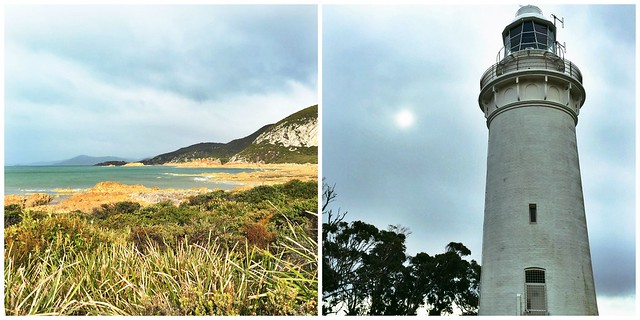
lighthouse

The last time Huz and I visited the north west was on our honeymoon. So it had been a while. We found a super lovely, affordable and comfy shack at the beautiful sleepy beach town, Sisters Beach. Leaving at lunchtime, car packed full of owlets and tissues, we arrived just before dark. Within moments we had the fire lit and hunkered in for what appeared to be one of the wettest weekends we've seen in a long time.

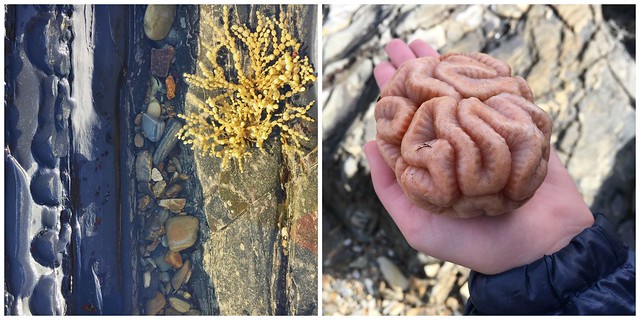
brain

The next four days are a blur of long car drives, volcanic soil, impressive coastlines, amazing geology, sneezes, brain sponges, sideways rain, and rainbows. We spent hours pottering around Sisters Beach, looking at rock pools, shells, a cave and Little Owlet's namesake plant. We ventured to Table Cape lighthouse in squally winds and Rocky Cape National Park to see the beautiful colours and textures of the coastal heathland there.

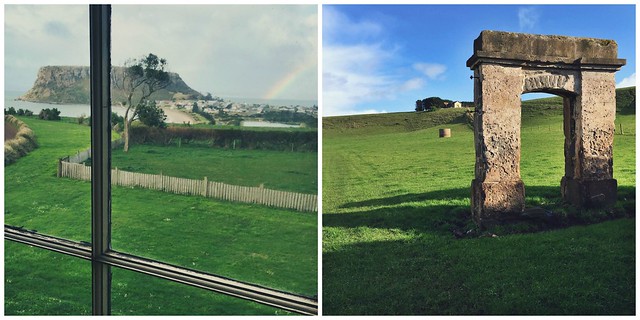
highfield

On Little Owlet's birthday, we headed for a very quiet Stanley (Monday morning mid-winter is super quiet there!), to admire The Nut and have devonshire tea. Knowing Little Owlet's preference for all things old fashioned, we wandered through Highfield House, soaking up the incredible views and detailed stories of the house at its peak, while escaping the soaking rain.

Later that evening, we celebrated with cake, lego and hot chocolates. We mixed the cake by hand, with a fork, each taking it in turn to cream the butter and whip the icing. It was a slow and pretty much perfect birthday, all things considered. Lamenting our return home, we extended our stay an extra night allowing some space to flop and relax and take in things a little more slowly. We rested and enjoyed the modern, clutter-free space while the rain pelted down outside. I think it's the wettest holiday away we've spent anywhere. But it was refreshing and so much fun and very much needed. Even if we did all return home with the dreaded lurgy and a car full of tissues. Even if it did feel like everything was working against us. It felt like that was exactly where we needed to be.

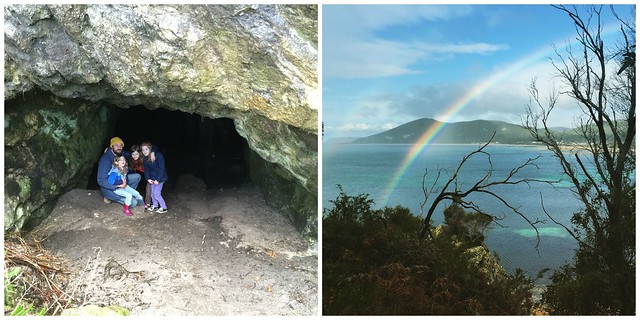
cave

Before we left we left Sisters Beach to come home, we ventured out on a small walk at the rocky end of the beach, to a place called Wet Cave, which was actually much drier than the area immediately outside it. But in Tasmania, rain often means rainbows so we were happy to see a beautiful one of those too before we headed home. We've vowed to return in warmer weather to explore some more of this beautiful part of the world. To breath in some of that cleanest air and see some of that amazing geology again, as well as all the treasures we missed! As small as it is, I don't think we'll ever tire of exploring the little corners and hidden nooks on this beautiful island. Each so different and breathtaking. Plenty of weekend adventures for many years to come!

Where have you been adventuring lately? 
Have you ever had perfectly imperfect rainy holiday? 

Happy adventuring!

~ Lauren. xx

27 April 2015

10 life lessons learned through fungi

I reckon I can pinpoint the shift in my perception back to this day one year ago, when we took a walk through a patch of rainforest in the Florentine Valley, northwest of Hobart. I'd seen rainforest before, and as someone with botanical leanings. Sure, I saw rainforest to be lush and peaceful but a little dull and simplistic, botanically speaking. You see, I was the kind of guy whose juices tended to flow at the sight of species-rich, dry sandy heathland or grassland, with their grand display of wild flowers in Spring.

But on this particular April day in the rainforest, the forest floor was awash with colour, not from plants, but, you guessed it, fungi! All colours of the rainbow, alien forms and configurations. I had previously read a little about fungi and their role in ecosystems as decomposers of dead organic matter and taken the odd passing snap with my camera. But there was a lot more going in this forest than I had previously noticed, and it was sparking my brain and my heart. I was filled with questions about their ecology, but was also struck by their beauty and diversity. All manner of mushroom, jelly, bracket, earth ball, and cup fungi! I took a bunch of photos and starting reading about these curious organisms...

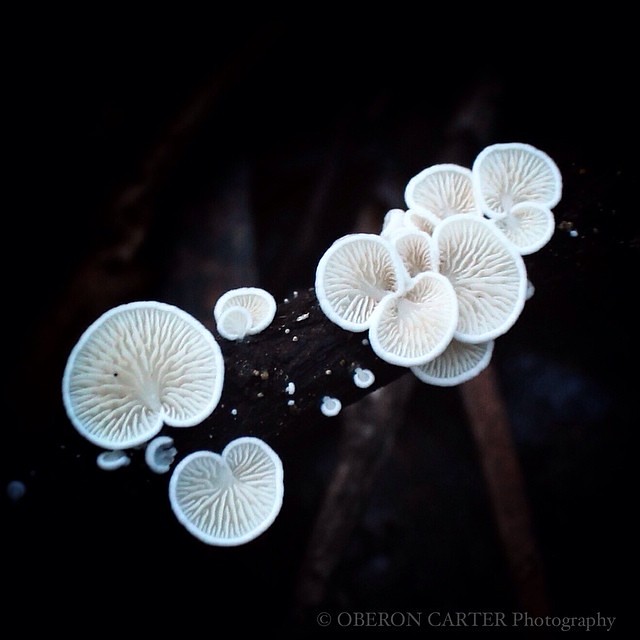
These Mycena viscidocruenta were spotted on that pivotal bush walk exactly one year ago.


Since that eye-opening bushwalk exactly one year ago, we have been on about sixty dedicated fungi walks. The owlets have accompanied me on all but a few of these, and as a result they have developed keen fungi-spotting goggles and even learned the names of many! It's pretty awesome. 

And whilst I can't speak for the wisdom gained by the owlets during these walks, I can list with confidence some of my own insights. Lessons learned, if you will. Here goes:

1. Perception of the natural world is limited by ones attitudes to it and time spent in it.


On my walks sometimes strangers would see me crouched awkwardly with my camera and ask me what I was looking at. When I explained or showed people the fungi, often the response would be along the lines of "Oh I walk along here all the time, I've never noticed them!" I think there are many things I see, but treat as background noise to perception. It takes focus to see past that which we see easily. This can translate into our modern society, for example, it's is quite easy to ignore the under-privileged, the down-trodden and the minorities, unless we intentionally open our hearts and focus attention. Empathy can really open the minds-eye.

2. There really are worlds within world's but most humans will see only one. 

These jelly fungi are reminiscent of a galaxy of stars - tiny worlds on a log.


When looking closely at a fungus, you will often see small animals scuttling around its surface. Some tiny insects called springtails spend their whole life cycle within the gills on the underside of a mushroom! Planet earth may be the "world" as humans know it, but for many species their world is much smaller.

Also, some fungi cluster in ways that are reminiscent of galaxies or complex networks. You will often see the  intricate dendritic pattern of mycelial threads at the base of a fungus, reaching down into the soil. 

3. In intact nature, all living creatures are connected, but most connections are invisible.

Here you can see mycelial threads that connect this mushroom with the earth - what other connections do you see?


The pretty little mushrooms and other fungi that we see are not the whole organism, rather they might be considered as the fruit, whilst much of the species grows beneath the surface (of the wood or soil substrate). Those underground parts (called mycelium) often form associations with the roots of plants and these can extend throughout a forest. I think there is a lot still to learn about this phenomenon and the invisible ways that a forest communicates with itself and its environment.

Translating this to humans, whilst we can be physically connected, we are more often connected with others in invisible ways such as through our hearts or our shared thoughts and visions. Whilst I am not religious, I do feel my spiritual connection with nature is broadening over time. I feel like more of the connections in my life become visible or perceivable through observation of fungi. I feel less like my garden at home is completely disconnected from my favourite areas of native forest far away, and that these areas are connected through earth and water and fungal mycelium! Such thoughts only strengthen my affinity with natural areas. 

4. Science and art can be strong partners.

Zoom in close enough to a fungus and the colours and textures invoke an art piece as much as a scientific depiction!


Advances in digital photography and social media have provided great opportunities for fungi study. Mobile phone photography makes it easy to physically get the camera lens to point at harder-to-reach features of fungi. Increasingly I see fungi through both a scientific lens (what is its name, how does it work etc.) and an artistic one (look at the shape, the little bonsai-style setting, the patterns and texture!). I try to create images that provide enough information to identify the species, but I want them to be visually pleasing or interesting. This art part makes communicating the science part more effective, and thus I see the two disciplines as strong allies!

5. There is a stigma attached to fungi and related processes of death and decay and these inhibit human empathy towards nature.


Decaying fruiting body of Mycena cystidiosa, standing tall to the end.

In online discussions I've read many comments by others about how "gross" fungi and slime moulds are. I wonder if such disgust stems from a deeply-set avoidance instinct developed as a personal safety mechanism? I have a fear of big hairy spiders and I've seen other people carry massive tarantulas on their hands - this repulses me, but I'm sure my feelings stem from ignorance about those spiders as much as anything. Slimy or decaying fungi are not to be feared! Just wash your hands afterwards and all will be well!

6. Beauty can come from darkness.

Porpolomopsis lewelliniae, emerged from the darkness.


Many fungi grow in darkness; hundreds of microscopic fungi may reside in the woods of a single fallen log. Many larger mushrooms fruit on the dark underside of logs and branches, in deep dark leaf litter and in hollow logs. Despite the darkness of these places, many fungi thrive.

7. Even the very small can hold their head high.

Even amongst forest giants, this delicate mushroom holds its own.


In Tasmania we have trees that are nearly 100 metres tall making them the tall flowering plants in the world. Around the base of these trees, if you look closely, you're likely to find tiny mushrooms, maybe just a few centimetres tall. But here the height difference doesn't matter - every being holds their own space. Every individual is distinct but integrating as an effective community. 

8. We all have opportunity to reinvent ourselves by the choices we make each day.


Be your own earth star! 


When you see a mushroom and it has sagged into a decaying, goopy mess, the organism is still very much alive below ground. It might pop back up fresh nearby soon after, or it might wait until condition are suitable in future years. Translate this to humans and we can wake up each day a sagging goopy mess, bearing the burdens of yesterday, or we can wake up fresh and be whoever we choose to be!

9. Nature is much more than skin deep.

A family of springtails doing their thang on the jelly fungus, Tremella fuciformis.


One thing that I think really draws me into spending time in nature, is that it is not superficial. I think understanding of the more subtle or complex aspects of nature (e.g. All the small creatures and their interactions) increases with time spent immersed in it. The cool thing about fungi is that you're going to see different species and stages of fungi growth with each visit to an area. 


10. Learning is never complete.

The great thing about fungi books is that they are almost always pretty to look at! 


When I started learning names for fungi, I had aspirations to learn ALL the names! To learn ALL the things! But the reality is that our time to learn new things or follow any pursuit, is limited. So, I've come to realise that simple idea that "you can only do what you can do"! For example, I have dozens of books-to-read on my shelves, probably enough to last the next few decades - so many classic and amazing books I'll probably never get to read given a busy life - this is kinda sad, but it just encourages me to prioritise! Likewise with fungi, or any other activity really, I think it is important to focus on doing more of the stuff you really love. Learn for the sake of learning and share your knowledge with others and happiness will inevitably follow!

As you can see, these hitherto unseen organisms have had a profound effect on me - and it's only the been one year!

Have you had an equivalent hobby influence your world view? 

You can see more of my fungi photos on instagram @owletpapa. You can find a link in the sidebar. 

~ Oberon. 

9 April 2015

A call for more live music for small ears

Recorded music is a staple of modern life. It emanates from stereo speakers and headphones everywhere, and worms into our ears from almost every supermarket and shop front. At the best of times, we might sit quietly with some quality headphones listening to our favourite album. It can feel great. However, I reckon that the experience of hearing recorded music can pale in comparison to witnessing a good live music performance. The physical jostling of the audience, the vibrations of the bass notes in your body, the smells of the auditorium, the marvelling at the on-stage talent, the fashions and shapes of the crowd, the sense of unity/community that can be felt being part of an audience. Surely these can all be learning experiences, for better or worse. So why is live music performance often an adults-only thing? Fear of exposure to 'adult' activities - sex, drugs n' rock n' roll and all that? Maybe, but I don't think it has to be that way anymore. 

If you're reading this, chances are you are an adult, and as an adult you've had what I would call the grand privilege of seeing music performed live on stage. Alas, if you're reading this and you're younger than about thirteen, chances are your live music experiences have been pretty few and far between, and constrained to a very narrow range of music genres (e.g. the straight-up pop of the Wiggles or Peppa Pig live on stage, most likely!). Why is that?


The palette of musical styles and sounds that humans have concocted is enormously rich and constantly diversifying. Given that live music performance can add all kinds of sensory dimensions to musical experience, which no set of headphones can substitute, it seems a shame that children generally do not experience more of what live music can offer. 

Children tend to miss out on exposure to a broad range of musical styles and performers, and instead are spoon-fed 'Children's Music', which I reckon it a redundant concept. I find it interesting to presume that children don't appreciate "adult" music. Certainly, the perceptions by children hearing new music is inevitably different to those of most adults. It is more likely to be devoid of the subjective influence of cultural context and bias. I mean that children are less likely to know about the bands-infighting, the possible drug-addled history of the lead singer, the pre-occupation that many have with the private lives of band members. Many great music artists have a troubled history; demons that have inspired and shaped their musical output. But for children seeing the live performance of these musicians, it's all about the feelings evoked by the music in its own right - baggage free.  


A few weeks ago we took the Owlets on a camping trip to a family-friendly music festival in northern Tasmania called Panama. This festival is set in lush forest, is family-friendly and hosts a diverse range cool, "adult" music. Some of the artists in the line-up had been heard by our kids previously through home stereo speakers, but they'd not batted an eyelid to them then! Mostly these were going to be new sounds to their ears. 

On the first afternoon, we took a stroll around the festival site. There was music being played over loud-speakers, but it was mostly being ignored by the owlets. Background noise, distant, inconsequential in their subconscious mind. Then, as the sun was sinking low, a motley group of 20-something's slung on their instruments and started the first live set of the festival. Well this got the kids' attention. Little Owlet exclaimed "I feel it in here!", pointing to her chest. Something had been triggered. Progressive indie-rock being thoroughly enjoyed? What was this madness?


On the next day we witnessed a bunch of musical acts, setting up a rug by the main stage. Now this would be a highly risky manoeuvre in most "adults-only" festivals, especially a few metres from the stage, but here the crowd was limited to 1000 people so it was relatively cruisey. Tiny made a new friend and they danced together and played nearby. As the music passed through jazz, folk, rock and funk, the owlets commented on the instruments and the audience and the way the music made them feel. Big Owlet even danced amongst the loose throng in front of the stage, feeling independent and free, but safe, knowing we could still see her from nearby. It was pretty special. In the evening I took Big and Little owlet to see Bombino, an awesomely cool rock-funk band from Niger. We found a front row spot against the rail by the stage. "I like the bass player, he looks very relaxed." said Little. Towards the end of the set, Little was falling asleep against the back of the main speakers, so we headed back to camp, enjoying the end of Bombino from the comfort of sleeping bags.


On the last day of Panama, we made the most of all the musical offerings, in between naps in the tent. The previous night had been restless as a result of a DJ played retro beats until the small hours. Big Owlet had heard strange "path pah pah pah pah" noises and moaning from our neighbours tent - we had to explain that that's not how everyone sounds when they are intimate with each other!

The highlights for the owlets were the rock-styles of Sharon Van Etten and Courtney Barnett - great, strong women, and great role models for the owlets, showing that it's not all Katy Perry and Beyonce pop (not that they make bad music necessarily, but just that their music is overtly sexualised). "I'm getting their albums dad". I was beaming with pride. 


The festival ended with a speakeasy performance by troubadour Ben Salter on a little outdoor stage on the other side of the festival site to the main stage. Big Owlet and I watched some of his set, drinking home-made lemonade. Then we moved over to the centre of a big grassy oval adjacent to the stage and lay on our backs and watched low moonlit clouds fly over as the acoustic sounds washed over us too. Big owlet was reflective and felt changed from the festival, from "getting" the live music buzz and experiencing the positive community vibes built around the common appreciation for good music. Not "children's music", just "music". I wish there were more opportunities for children to be exposed to diverse live music, and hopefully festivals like Panama are an indication that music does not have to be an adults-only affair.


Do you agree that children deserve more live music experiences, outside the genre of "children's music"? Let us know in the comments! 

~ Owletpapa.

8 April 2015

Finding Balance


2014-11-11 09.30.03
2014-11-11 09.28.27

Something I've often given thought to, over the years of home educating and running a small business, is balance. Over the years, others have asked me about it too. How do we do it? How do we find balance? Or rather, will we ever find balance? Is it even a thing? How do we manage to cram our lives so full of all the things we want so much to do?

The conclusion I've arrived at is no. Balance, in this particular life we're living, is and will most likely never be a thing. Not in the way we imagine.

2014-11-11 09.37.33
image2014-11-11 10.05.03

In a household of five creative and passionate individuals, following our passions means we completely immerse ourselves in them from time to time. And while we're following those passions, things get left by the wayside. Perhaps it isn't balance we really need to look for, so much as how to be ok with the chaos, or how to work with it.

For us, finding balance has been more about finding support. It's also been about finding space to wander more and work a little less. It's meant waking up and taking a day off to go exploring, rather than work. It's meant cancelling plans to spend the day in the garden. It's meant knuckling down to get the job done sometimes. It's meant making plans and throwing them out the window in an effort to do what feels best and right and fun. Finding balance has been about looking out for each other and making sure we each have time to indulge our passions.

image
image

Practically, Huz's shift from his full-time day job, to working four days per week, has meant an extra day for me to work. It's shifted the balance of things in our home in a much more equitable way. It also gives him time with the owlets, usually in nature, allowing him to get out and do what he loves best. On Fridays he always wakes with a grin. It's meant an extra day to play and spend time getting work done in the garden too - one of my favourite things to do. It's a much happier balance, but one that takes some tweaking as we learn to cover the financial gap that one day leaves us. Growing food and working more on our own business helps with that.

Owlets getting older helps a little too. I'm finding stolen snippets of time are getting longer and longer, so now, with a little focus, I can get to more of the stuff that needs doing. So with that, I'm attempting to return to blogging more regularly. In line with this fluid, messy life, where lines are blurred and one thing feeds and flows into the next, this blog will be where we document and perhaps attempt to bring some sort of order from it all. It has always been a space to reflect, document and define our dreams, these past eight years (yes, eight! Can you believe it?), but now it's time for a new Owlet chapter.

So Huz, Owletpapa, will be joining me to document the journey from here, as it becomes our blog. I'm looking forward to the words he'll share and the world of Owlets and the Spiral Garden and all it is and will be, with his insight. And in time, from the owlets' perspective too. We hope you'll join us for the adventure - it's bound to be messy and beautiful and all kinds of fun!

~ Owletmama. xo


PS. These photos were taken at the end of last year, on a day where we decided to take a day off from wrapping orders and ramble around the bush for a bit. We visited Waterworks reserve and Mt Wellington. Two gorgeous spots, just 20 minutes from our home, in Hobart. Much to my astonishment, the world didn't end and all the parcels arrived on time, despite skipping a day. 

19 January 2015

Nourish

nourish1
Untitled

These past few months, I've been living in some sort of busy little hive world of my own creation. Spiral Garden clocked its busiest Christmas period ever, not pausing for breath until Christmas Eve. Full time work whilst home with three unschooled children is less than ideal. Each morning would begin with a leap out of bed and a sprint to the finish line. Of course, we also decided to write and present an e-course this summer. So I added another part-time job to my days. It's been hectic.

There have not been nearly enough moments to pause. Too many days waving my owlets and Huz goodbye as they wandered off on adventures without me. Mind you there was the odd adventure I couldn't resist… And no time to record it.

I've been looking through old photos and blog posts for the e-course material and feeling jealous of those free people through the screen. The ones with the three small owlets and the nice nest and all the fun times in the Tasmanian countryside. I want to live like those people! Haha!

It's been brilliant to have efforts pay off. The Seedlings permaculture e-course seems to be going along swimmingly. Spiral Garden continues to hum along at a far more relaxed pace, helping to fund Christmas and birthdays and the odd pile of mulch for the garden. But in amongst it all there were too many take away meals, too many catch-ups with friends missed, too many weeds left to grow and veggies left un-harvested… Too many moments to connect with my owlets and Huz, missed. There was overwhelm.

I can see the light at the end of the tunnel just now, and it looks wonderful. A reawakening of sorts. Phew! It's going to be ok.

nourish3
Untitled

Each year, I'm in the habit of choosing a word that encompasses what I'm hoping to bring to my year. A couple of years ago, I chose abundance and wound up doing a Permaculture Design Certificate which helped deliver abundance in spades. Last year I chose balance, and well… That didn't work out so well. Ha! Balance seemed out of my hands as things steamrolled along.

This year, I've chosen nourish. It's a lovely word that reminds me to pause, to eat what feels good, to move my body in ways that feel good. To spend time doing things that nourish me. Like gardening and creating things and being useful with my hands.

nourish2
Untitled

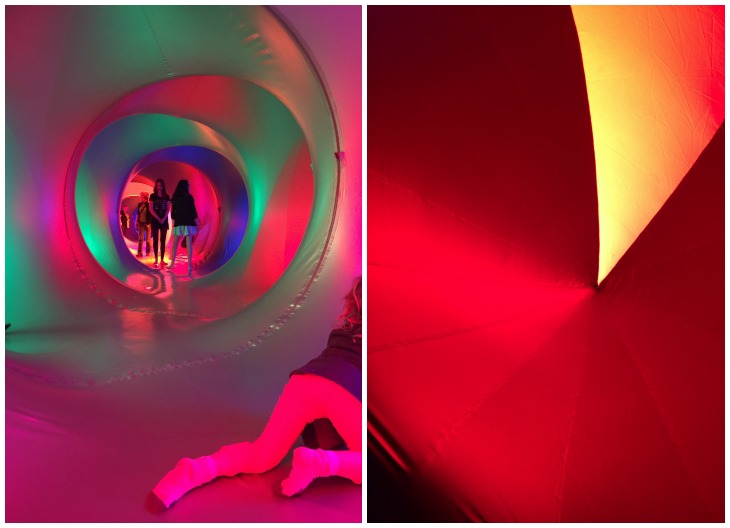
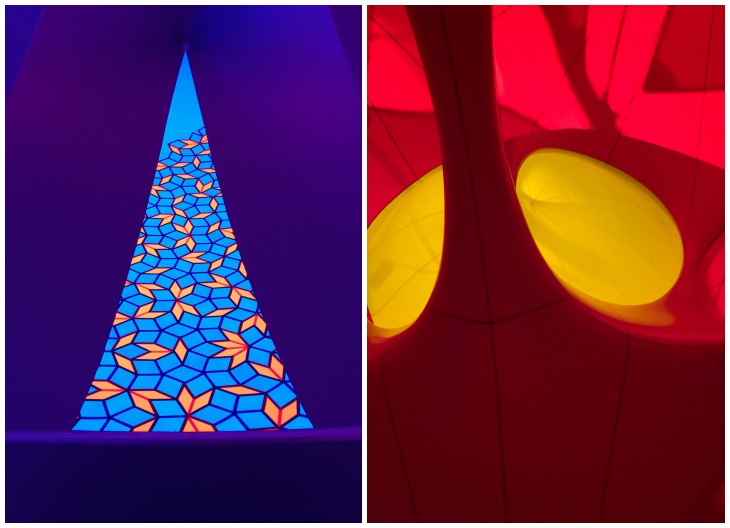
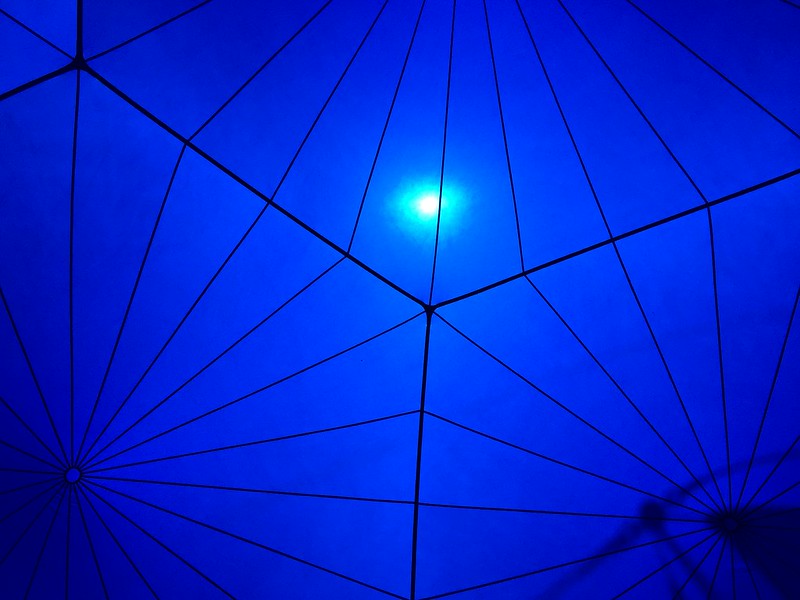
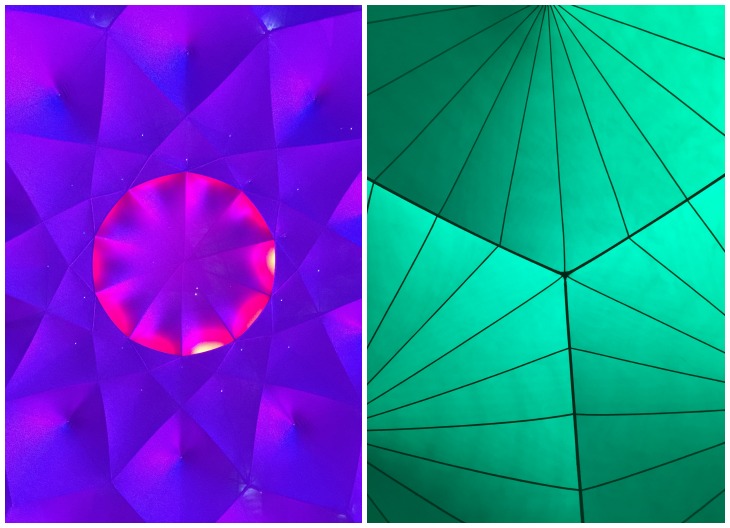
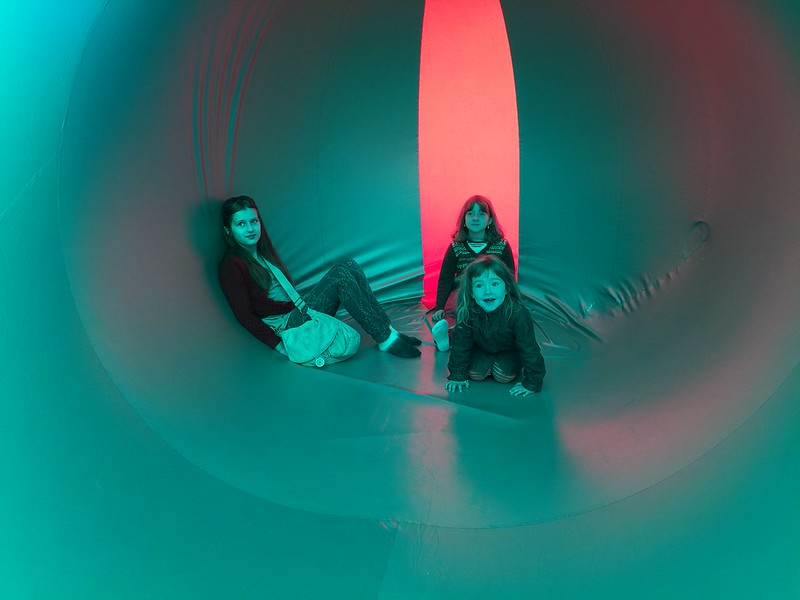
This morning we spent time at Exxopolis at MOFO. As I suspected, the colour worked it's magic on me beautifully. A little colour therapy and time locating a nourishing colour. Blue felt calming. Green was a rainforest and yellow was hot and uncomfortable.  Huz felt anxious, no matter the colour. Tiny wanted to keep moving. I sat in a red, womb-like pod for almost ten minutes before we left, and floated out. A great reminder that what nourishes each of us is so different. A reminder to seek what nourishes me.

It was also a great reminder to come back here and post about our adventures. To have them and record them so I can remember that feeling a little longer. Remember the fun we've had. That family with the owlets, through the screen. I'd like to be them again.

Hello blog. Happy new year. Let's begin, shall we? xx


11 June 2014

30 Ways to Enjoy Winter :: Beating the Winter Blues

IMG_3837

Once upon a time I was a winter person. Always preferring to rug up rather than strip off, I liked winter's crisp air and stark light. Then I moved to Tasmania. Winter is very beautiful here, but it always takes some bolstering to be ready for the cold and the shortened daylight hours. Along with some vitamin D, we need to have a bunch of things up our sleeves to make it fun and keep us happy. Here are 30 ideas for keeping us (and hopefully you) active, warm and happy this winter.

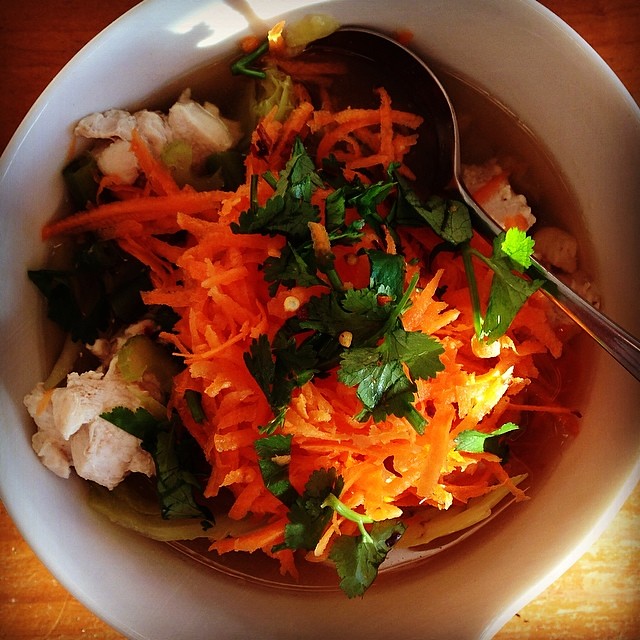
UntitledMorning yum v.2 #chickensoup #leftovers #winter #bowlfood
In her element #arvotea #scones #tinyowlet

Wake up with yoga or some other movement that stretches your body and calms your mind.
Eat something nurturing, fresh and rainbow-coloured.
Try some different teas or warm drinks. Find one you like. Make a ritual of it.

walk
10371981_690874017637276_8376414624459244832_n

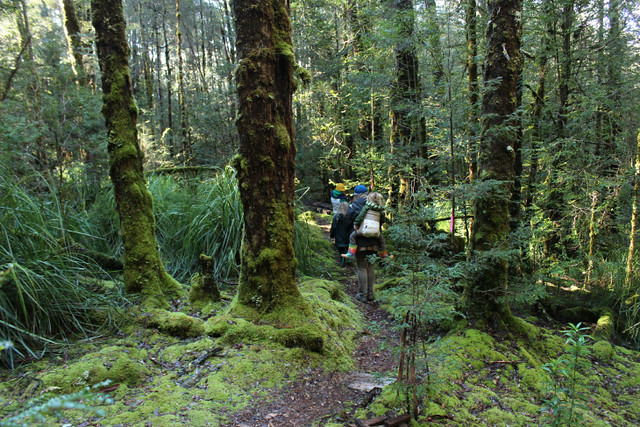
Go for a walk in nature.
Spend time in a landscape that's bigger than you.
Find inspiration in beautiful things that are much smaller than you.
Find a pub with a fire and cosy up over food and drinks, while recounting a long outdoor adventure.

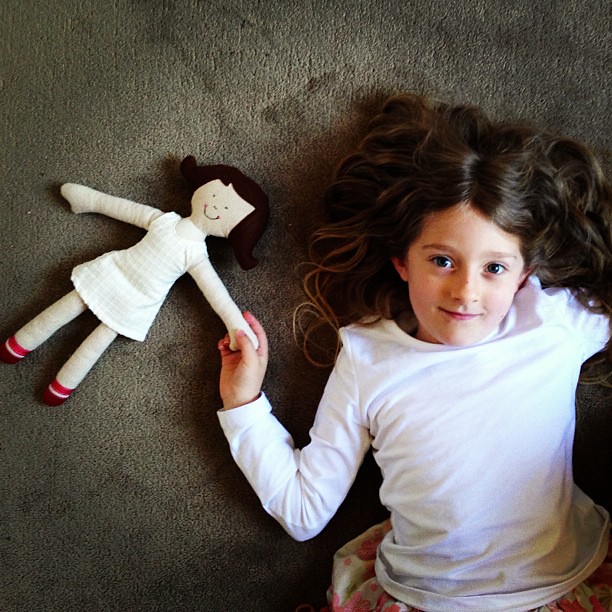
It took three years but I finally finished Little Owlet's ric rac doll #shes wry happy #stillhavetomakeitswardrobe #sigh  #babiesshiftprioritiesok #done
We love our local farmers market. Do you? WIN a gorgeous Phoebe Wahl "Support Local Farmers" print OR a super fun "Lets Go the Farmers Market" kit! Comment on this photo or send us a message and let us know how you first heard about Spiral Garden. Was it

Make something by hand for someone you love.
Send a letter in the post.
Go to a concert or a film. Come to Hobart for Dark MOFO.
Visit a farmers' market. Make it part of your week.
Spend some time in a book shop or oppy and find a book you like. Devour it. 
Do something that challenges you - like my brave and wonderful Dad, on the first day of Winter.
Learn something new or how to refine something you do. I've been doing this.
Take a course -  Maybe an e-course or something local… This looks good.

fire
backyard
apple
baked

Plan a little getaway - visit a shack, go somewhere beachy, have a sleepover at a friend's place.
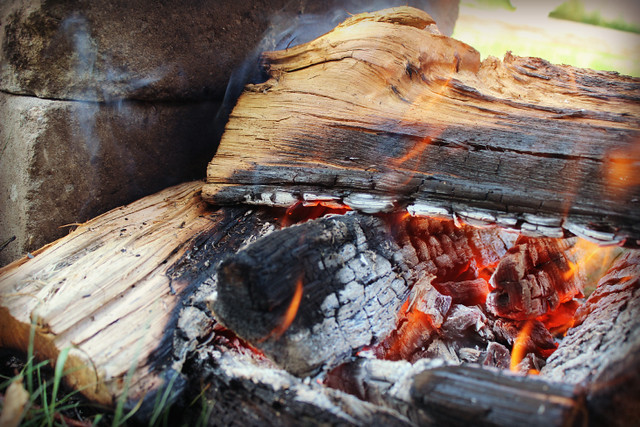
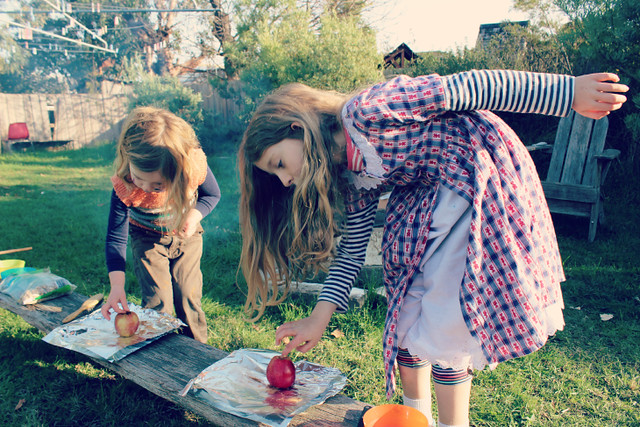
Light a campfire in the backyard.
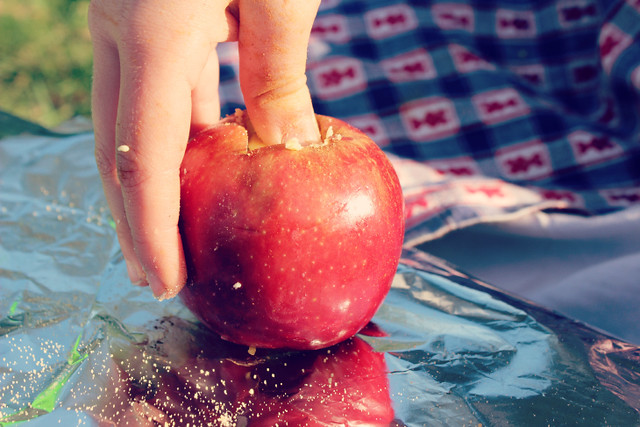
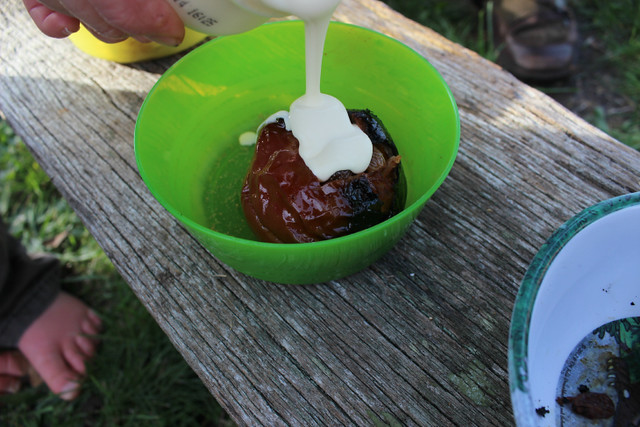
Cook something in the coals.
Spend time gardening - plan, explore seed or tree catalogues, plant green manure, make compost.
Look for edible winter greens in your neighbourhood. Get to know your weeds. 

betty
socks

Spend time with people who make you feel happy.
Wear something colourful everyday.
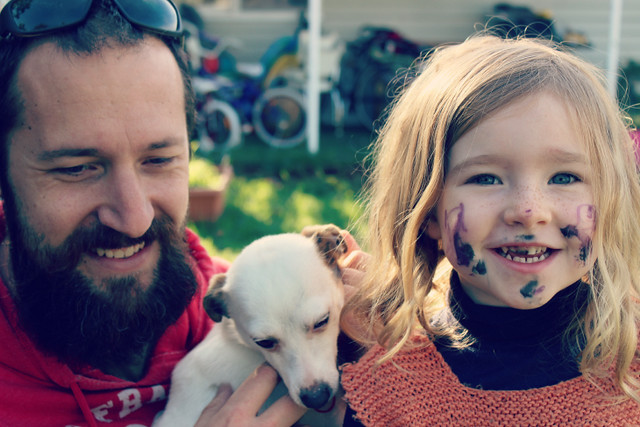
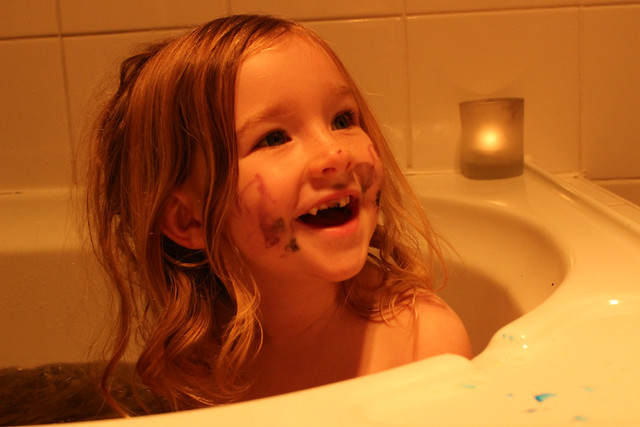
Wear what makes you feel good (even if it's texta all over your face, like Tiny).
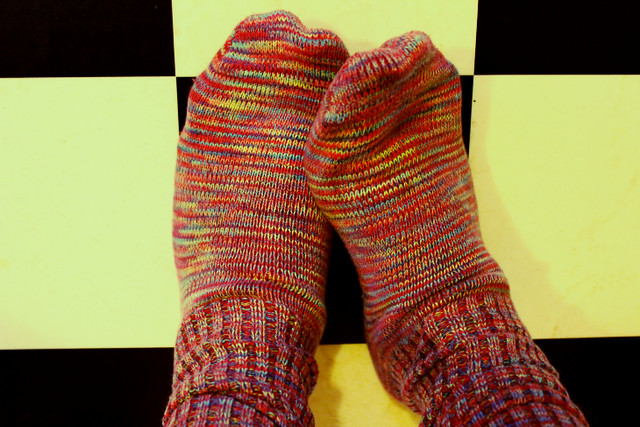
Buy or knit some warm woollen socks.
Layer up. “There is no bad weather, only inappropriate clothing.” ~ Ranulph Feinnes

10341609_10152187720421137_3678920587610158662_n1514958_10152226018656137_1444277582845729809_n
bath

Sort through your things. Think about what you need. Make space. 
Decorate a little corner of your home. 
Buy or make some art, then find a spot for it in your home.
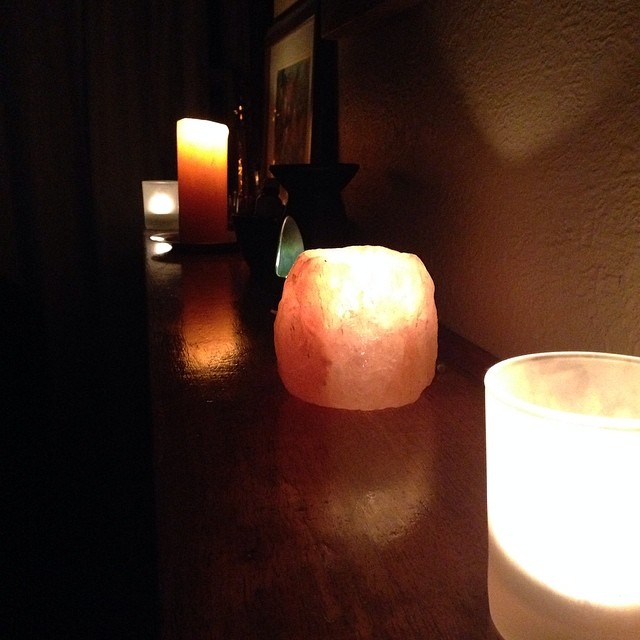
Celebrate the dark. Turn the lights out and light candles and enjoy the quiet.
Take a long bath with oils, colours, candles… and someone you love, who makes you giggle. 

What are your winter survival tips?
Happy wintering! xx